
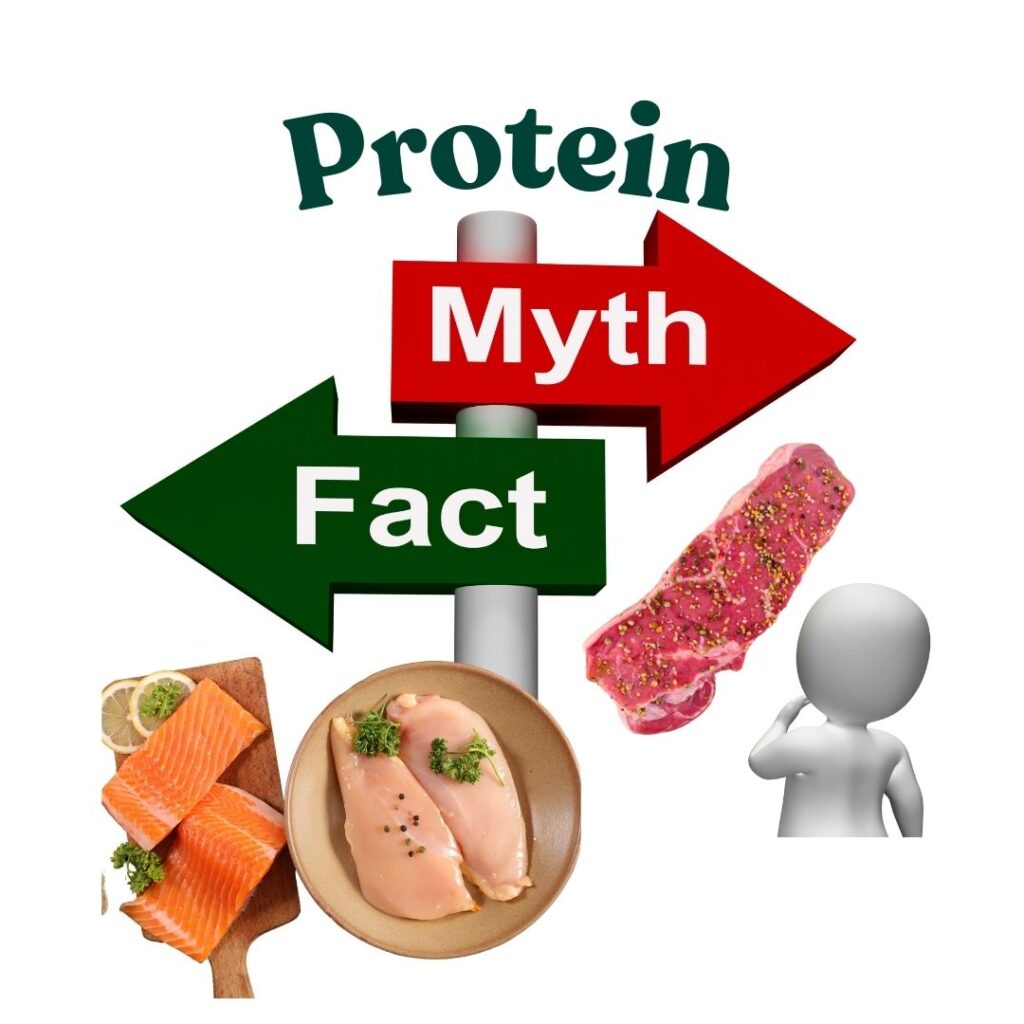
Protein is one of the most talked-about nutrients today, yet it remains one of the most misunderstood. While awareness is increasing, many Indians still consume less protein than they need and often rely on myths when making dietary choices.
Why Protein Matters
Protein is essential for:
- Building and repairing muscles, skin, hair, and tissues
- Supporting hormones, enzymes, and immunity
- Managing weight by improving satiety
- Maintaining bone health and metabolism
Unlike carbohydrates and fats, the body does not store large reserves of protein, making daily intake important.
Protein Intake: India vs the West
- Around 70–80% of Indians consume less protein than recommended.
- Average intake in India is about 30–50 g/day.
- Western populations typically consume 70–100 g/day due to higher intake of meat, eggs, and dairy.
- Indians generally have lower muscle mass, increasing the risk of weakness, age-related muscle loss, and lifestyle diseases.
Important: Protein requirements depend on body weight, age, activity level, and health status—not on comparisons with Western body types.
Common Protein Myths & Facts
Myth 1: Only bodybuilders need protein.
Fact: Everyone needs protein—from children and pregnant women to adults and seniors.
Myth 2: Vegetarians cannot get enough protein.
Fact: Pulses, legumes, soy, dairy, nuts, and seeds can easily meet protein needs when consumed appropriately.
Myth 3: High-protein diets damage kidneys.
Fact: Protein is safe for healthy individuals. Those with kidney disease should follow medical advice.
Myth 4: Carbs are more important than protein for energy.
Fact: Protein supports energy needs and helps preserve muscle, especially during weight loss.
Myth 5: Protein supplements are like steroids.
Fact: Whey, soy, pea, and casein proteins are simply concentrated food proteins—not steroids.
Myth 6: More protein automatically means weight loss.
Fact: Excess protein still provides calories. Overconsumption without activity can contribute to weight gain.
Myth 7: Plant proteins are inferior to animal proteins.
Fact: Combining plant proteins (e.g., dal + rice, roti + rajma) creates a complete amino acid profile.
Myth 8: Older adults need less protein.
Fact: Seniors often need more protein (1.0–1.2 g/kg body weight) to prevent muscle loss and frailty.
Daily Protein Requirements
| Group | Protein Requirement |
| Healthy Adults | 0.8–1.0 g/kg |
| Elderly (>60 yrs) | 1.0–1.2 g/kg |
| Children & Adolescents | 1.0–1.5 g/kg |
| Pregnant/Lactating Women | 1.1–1.3 g/kg |
| Athletes | 1.5–2.0 g/kg |
| Recovery from Illness | 1.2–2.0 g/kg |
| Weight Loss | 0.9–1.0 g/kg |
| CKD Patients | 0.6–0.8 g/kg (medical supervision) |
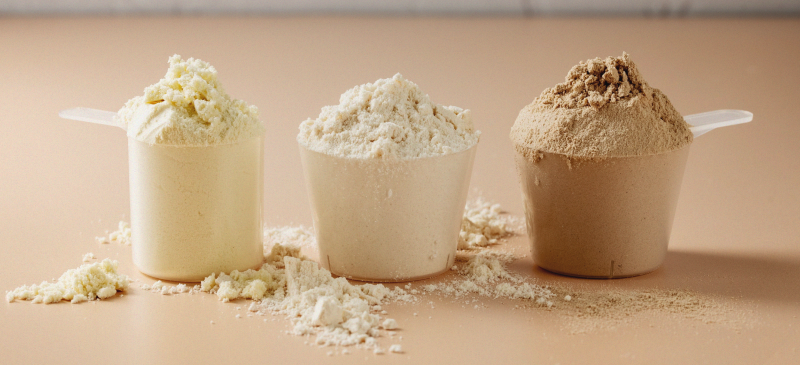
Popular Protein Supplements
Whey Protein
✔ Fast absorption
✔ Ideal post-workout
✖ May not suit lactose-intolerant individuals
Casein Protein
✔ Slow digestion
✔ Good before bedtime
✖ Dairy-based
Soy Protein
✔ Complete plant protein
✔ Suitable for vegetarians and vegans
Pea Protein
✔ Easy to digest
✔ Low allergy risk
Rice Protein
✔ Plant-based
✖ Best combined with other proteins
Collagen Protein
✔ Supports skin and joints
✖ Not ideal for muscle building
Why Indians May Benefit from Protein Supplementation
Protein supplements can help bridge the gap when dietary intake is inadequate, especially for:
- Older adults
- Women during pregnancy, postpartum, and menopause
- Fitness enthusiasts
- Individuals recovering from illness or surgery
- People with low appetite or busy lifestyles
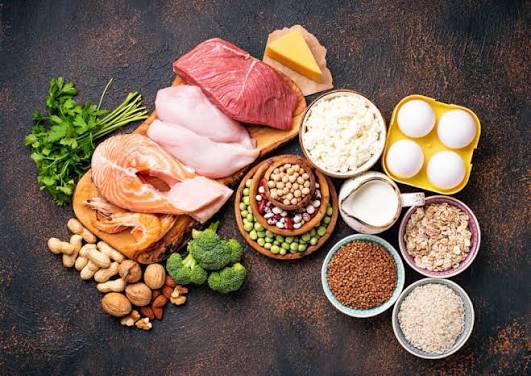
Protein doesn’t have to come only from supplements—we can also get plenty of it from everyday foods. Here’s a list of protein-rich foods!
FOOD Protein Sources: Vegetarian vs Non-Vegetarian
| Vegetarian Protein Sources | Approx. Protein (per 100g) | Non-Vegetarian Protein Sources | Approx. Protein (per 100g) |
| Soy Chunks | 50–52 g | Chicken Breast | 31 g |
| Soybeans | 36–40 g | Tuna Fish | 29–30 g |
| Paneer | 18–20 g | Turkey Breast | 29 g |
| Tofu | 12–15 g | Lean Mutton | 25–27 g |
| Greek Yogurt | 10–12 g | Fish (Indian varieties) | 20–25 g |
| Curd (Dahi) | 3–4 g | Eggs | 13 g |
| Milk | 3–4 g | Prawns/Shrimp | 20–24 g |
| Lentils (Dal) | 24–26 g (dry) | Crab | 18–20 g |
| Chickpeas (Chana) | 19–21 g | Salmon | 20–22 g |
| Kidney Beans (Rajma) | 22–24 g | Sardines | 24–25 g |
| Black Gram (Urad Dal) | 24–26 g | Egg White | 11 g |
| Green Gram (Moong Dal) | 23–24 g | Whey Protein | 75–90 g |
| Peanuts | 25–26 g | Casein Protein | 75–85 g |
| Almonds | 20–21 g | – | – |
| Pumpkin Seeds | 28–30 g | – | – |
| Chia Seeds | 16–18 g | – | – |
| Quinoa | 13–14 g | – | – |
| Goal | Recommended Sources |
| Muscle Building | Whey Protein, Eggs, Chicken, Fish, Soy Chunks, Paneer |
| Weight Loss | Greek Yogurt, Tofu, Egg Whites, Fish, Lean Chicken |
| Healthy Aging | Milk, Curd, Paneer, Eggs, Fish, Soy Protein |
| Vegetarian Diet | Soy Chunks, Tofu, Paneer, Dal + Rice, Rajma + Roti |
| Vegan Diet | Soy Protein, Tofu, Tempeh, Pea Protein, Lentils, Chickpeas |
Best Protein Choices
Tip: Vegetarians can improve protein quality by combining cereals and pulses, such as dal + rice, rajma + rice, or roti + chana, to obtain a more complete amino acid profile.
Quick FAQs
How much protein do adults need?
Typically 0.8–1.0 g/kg body weight, depending on age, activity, and health and medical parameters.
Best vegetarian protein sources?
Dal, beans, chickpeas, soy, milk, curd, nuts, seeds, and quinoa.
Are protein powders safe?
Yes, when used appropriately and purchased from reputable brands and considering your Medical parameters and Guided by expert and not through social media or advertisements.
Can people with diabetes take protein supplements?
Yes. Unsweetened whey or soy protein can be useful.
When should I take protein powder?
After exercise or when dietary protein intake is insufficient.
How to Calculate Your Protein Requirement
Step 1: Note your body weight in kilograms.
Step 2: Multiply it by:
- 0.8–1.0 for healthy adults
- 1.0–1.2 for adults above 60 years
- 1.1–1.3 during pregnancy/lactation
- 1.5–2.0 for athletes
- 1.2–2.0 during recovery from illness
Conclusion
Protein is not just for athletes—it is essential for healthy growth, aging, recovery, immunity, and overall well-being. Most Indians consume less protein than recommended, making it important to consciously include quality protein sources in daily meals. Small dietary changes today can help preserve muscle, improve health, and support better quality of life in the long term.