

Right after dinner, I get that intense urge to have something sweet. Or when I’m sitting in the office and the clock hits 3 PM — suddenly, it’s coffee time. Not hunger. A craving. And instantly, the mental chatter begins: Should I?
I shouldn’t. Why can’t I control this?
Every month I have that “I’m off sugar” phase, but resisting brownies or a packet of chips feels like fighting a losing battle.
So today, I’m here to tell you that I’m just like you — human. Before we jump into how to control food cravings, it’s more important to understand why they happen in the first place. It could be stress whispering through cortisol, exhaustion muddling hunger signals, or your monthly cycle shifting serotonin levels. Let’s decode this together — minus the guilt.
The Physiology of True Hunger vs. Food Craving
What is true hunger? Hunger is your body’s way of telling you that it needs food to maintain energy and nutrient levels. When you’re hungry, it’s usually nonspecific — any food will do.
What are food cravings? Food cravings strike even when you’re not hungry. They are:
- Specific (only one food will do)
- Urgent
- Often linked to sugar, fat, or salt
- Tied to emotions, fatigue, stress, or hormonal changes
How True Hunger Works — Simplified Science
A few hours after eating, a hormone called motilin triggers the Migrating Motor Complex (MMC) — waves of activity in your GI tract that sweep up undigested food. Towards the end of this cycle, the stomach produces ghrelin, the hunger hormone. These signals travel to the hypothalamus — the hunger command center in your brain — telling you it’s time to eat.
When you begin eating:
- Your gut releases fullness hormones like GLP-1 and CCK
- Your fat cells release leptin
- Your brain receives a “stop eating” signal
This cycle works smoothly when:
- You eat balanced meals
- You manage stress
- You get sufficient sleep
But when any of these go off balance, your hunger hormones become dysregulated — leading to cravings.
Mindful Eating Practices
Mindful eating rebuilds your relationship with food by helping you understand how and why you eat.
1. The Pause Ritual
Before eating, rate your hunger from 1–10.
If it’s below 5, drink water and wait 10 minutes.
This interrupts automatic craving-based eating.
2. Sensory Engagement
Bring your senses into the eating experience:
- Sight: Notice colors and textures
- Smell: Inhale aromas
- Sound: Listen to crunch or sizzle
- Taste: Chew each bite 20+ times
3. Hunger–Fullness Scan-Mid-meal, pause and ask:
- Am I 50% full? 80%?
- Am I eating from hunger — or habit?
4. Craving Conversations
When a craving hits, journal:
- What emotion am I avoiding — stress, boredom, loneliness?
Then replace the craving with a 5-minute walk or deep breathing.
5. Body Scan After Eating
Notice:
- Energy (sluggish or alert)
- Mood (guilty or peaceful)
- Physical sensations (bloating, comfort)
If you overeat, respond gently: “My body needed this today. I’m listening.”
Effective Strategies to Control Food Cravings
1. Hydration: The Thirst Mask

Dehydration often mimics hunger.
Action Plan
- Drink 1 glass of water before snacking
- Use infused water (cucumber, mint)
- Aim for pale yellow urine
Science note: Pre-meal water (250 ml) reduces calorie intake and increases satiety.
2. Balanced Nutrition: Protein + Fiber = Craving Control
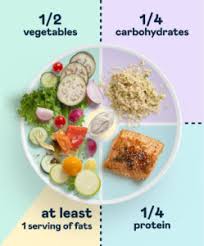
Protein (20 g/meal)
Boosts PYY — a hormone that suppresses appetite.
Examples: eggs, curd, lentils.
Fiber (10 g/snack)
Slows digestion and stabilizes blood sugar.
Examples: oats, apples, vegetables.
Example Indian Plate
½ cup dal + 1 cup spinach sabzi + 1 roti
Start small:
- Week 1: Swap one biscuit for fruit
- Week 2: Add a 10-minute walk when cravings hit
- Week 3: Celebrate small wins
3. Sleep More, Crave Less
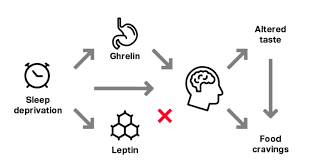
Less than 6-7 hours of good time sleep:
- Lowers leptin (fullness)
- Increases ghrelin (hunger)
- Increases junk-food cravings the next day
Aim for 7–8 hours nightly.
4. Stress Less, Crave Less
Cortisol spikes drive cravings for sugary, high-fat foods.
Try the 4-7-8 breathing technique:
- Inhale 4s → Hold 7s → Exhale 8s
This lowers cortisol in minutes.
Replace stress snacking with herbal teas (tulsi, chamomile).
5. Out of Sight, Out of Mouth
Environmental cues are powerful triggers.
- Store treats in opaque containers
- Keep fruits or chana at eye level
- Hide snack jars and boxes
6. Eat Regularly
Skipping meals leads to blood sugar crashes and rebound cravings.
Balanced mini-meals stabilize your appetite.
7. The 15-Minute Distraction
Cravings peak at 3–5 minutes and usually fade if you wait.
Try:
- A short walk
- A phone call
- Yoga stretches
Healthy Swap Ideas
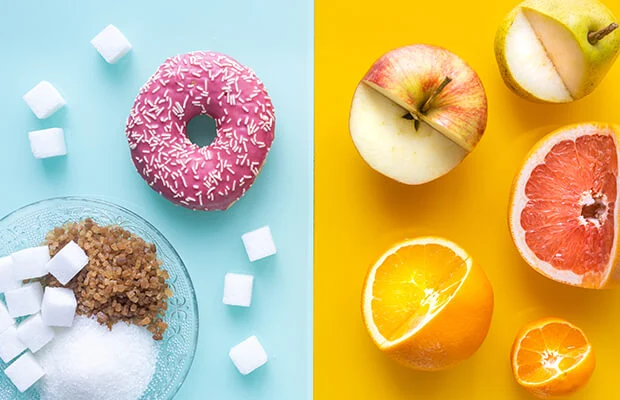
If you crave sweets:
- Dark chocolate (70%+)
- Dark chocolate–covered nuts
- Dates stuffed with nuts or dipped in peanut butter
If you crave salty snacks:
- Savory popcorn
- Crunchy sweet corn
- Nuts or roasted chana
If you crave candy:
- Homemade trail mix
- Fresh or canned fruit
- Poached fruit with cinnamon
- Yogurt with fruit
Setting Realistic Goals
“All-or-nothing” rules (like “No sugar ever”) backfire.
Try this progression:
- Week 1: Replace one sugary chai with cinnamon black tea
- Week 2: Walk 10 minutes when cravings hit
- Week 3: Add one serving of vegetables to dinner
Celebrate non-food victories:
- “I chose fruit over mithai.”
- “I paused before eating.”
Your Body Isn’t the Enemy
Cravings aren’t failures. They’re signals — asking you what you need. When you learn to respond calmly, you build self-trust instead of self-judgment.
SUMMARY
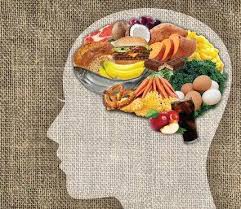
- Eat 3 balanced meals daily.
- Don’t be upset if you slip up.
- See cravings as suggestions, not commands.
- Cravings will pass — they aren’t real hunger.
- Use the 5 Ds:
- Delay 10 minutes
- Distract yoself
- Distance the tempting food
- Determine how much you really want it
- Decide to eat mindfully
- Stay active — movement reduces appetite.
- Slow your eating — fullness takes 20 minutes to register.
- Separate eating from multitasking so you can respond to real hunger cues.
To get a detailed guidelines or a personalized plan for your health problems you can contact directly, In the pandemic my online consultations are on Contact details mentioned below, Happy to help always.