

As gross as it may sound, pay attention to the frequency, colour, and consistency of your poop. It reflects your current health. While an average individual poops three to four times a week, those with a regular pattern pass bowels the same number of times a day and at fixed times. Are you pooping less than 5 times a week? You may be constipated and in need of effective constipation relief.
Chronic constipation is a red flag. When your colon holds onto toxic waste that it is supposed to eliminate, you become vulnerable to lifestyle and health conditions — from poor skin to haemorrhoids, fissures, inability to lose weight, and in extreme cases, cancer. Understanding how to cure constipation naturally is crucial, not just for comfort but for overall health. Are you tired of the discomfort and inconvenience caused by constipation, too? Today, we will explore the causes and natural remedies for constipation that can help you get much-needed relief.
What are the most common causes of Constipation?
Constipation is a prevalent condition that can be attributed to several common causes. From a lack of dietary fiber to inadequate hydration, there are many factors to consider when looking at how to cure constipation or prevent it from recurring. Let’s explore a few of these. Recognizing and addressing these common causes can help prevent and effectively manage constipation, setting the foundation for long-term constipation relief.
- A sedentary lifestyle
- A low fibre diet
- Excessively drinking tea/coffee
- Being dehydrated
- Overuse of antacids, iron, and calcium supplements
- Poorly managed stress
- Poor sleep patterns
- Following fad fat-free diets that deprive you of the right amount of stomach acids.
- Medical conditions such as IBS, inactive thyroid, or pregnancy.
Identifying these triggers is the first step before trying any natural remedies for constipation.
Natural Remedies for Constipation
Now that you have understood some of the causes of constipation, let’s explore some home remedies or natural remedies for constipation relief, and lifestyle changes you can make.

H for hydration
Waking up to a liter of water, lukewarm water better, every morning is a simple yet powerful step for constipation relief. It puts gentle pressure on the colon and kidneys, softens stools, and encourages waste elimination. Staying hydrated throughout the day is one of the easiest ways to prevent hard stools and support your body’s natural rhythm.
Keep the move on

When your body moves, your gut moves. Regular exercise — whether it’s walking, running, swimming, bodyweight training, or yoga twists — helps stimulate the digestive tract. Movement shortens the time it takes for food to pass through the large intestine, making stools softer and easier to pass.
Eat and poop at fixed times
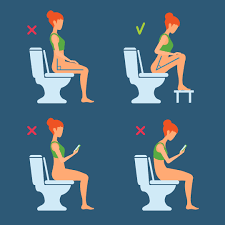
A routine trains your body for healthy bowel movements. If you have the urge to pass stools, don’t delay — holding it in often leads to constipation. Pick a consistent time daily, ideally 20–40 minutes after a meal and give yourself around 10 minutes to try without straining. This habit can go a long way in providing lasting constipation relief.
Do it the Indian way
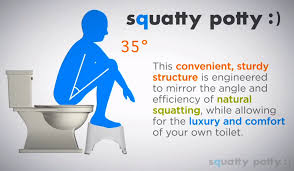
Posture matters when it comes to passing stools. A full squat — as in traditional Indian toilets — relaxes the puborectal muscle and helps completely empty your bowels. If you’re using a Western toilet, raise your feet on a small stool to mimic this position.
The Squatty Potty could help.
R for roughage
Fiber adds bulk to the stool and acts as a natural broom that sweeps your colon clean. It’s one of the most effective natural remedies for constipation and hard stool remedies you can adopt
ALL YOU NEED TO KNOW ABOUT FIBRE… which helps your bowel movement
Daily requirement –About 40gms per day for adults. When consumed more than 60gm/day, it can affect nutrient absorption.
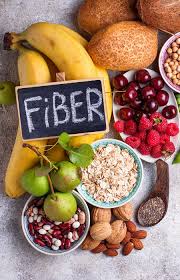
Types of fibre
a. Soluble fibre: Soluble fibre dissolves in water, forming a gel-like substance. It is helpful in reduction of cholesterol and control of blood sugar levels. Found in fruits, vegetables, legumes, oats, barely.
b. Insoluble fibre: Insoluble fibre adds bulk to stools by absorbing water. Found in wheat bran, whole grain cereal, nuts, seed, fruit, vegetable skin.
c. Resistant starch: Resistant starch is found in certain foods when they are heated or cooled It cannot be digested in the small intestine, hence moves to the large intestine where it helps in production of good bacteria which helps to keep our gut healthy. Examples include cooked and cooled potatoes, under-ripe bananas.
High-Fiber Foods for Constipation Relief
1. Whole Grains
Whole grains are a staple in Indian households and a fantastic source of insoluble fiber.
- Brown Rice: A healthier alternative to white rice, it retains its fibrous bran layer.
- Quinoa: High in both protein and fiber, this grain is becoming increasingly popular in urban Indian diets.
- Ragi (Finger Millet): Packed with fiber, it is often used to make nutritious porridge or rotis.
- Add Oat bran in your chapati flour/ in your bread. 100gms of oat bran has 15gms of fibre. Or include more whole grain in your diet.For example, wheat 1.2 gm of fibre/100 gms, ragi has 3.6gm/100gms.
2. Legumes and Pulses
Indian cuisine heavily relies on lentils and beans, which are fibre powerhouses.
- Moong Dal: Light on the stomach and rich in fiber.
- Rajma (Kidney Beans): Offers a hearty dose of both fiber and protein.
- Chickpeas (Chana): Ideal for curries, salads, or roasted snacks.
Legumes not only help with constipation but also provide essential nutrients like iron and protein, which are beneficial for overall health. For example, whole green gram 3.9gm/100gms, kidney beans 6.5gm/100gms. Have fruits with the skin but ensure they are washed well.
3. Vegetables
Incorporating fiber-rich vegetables into daily meals is vital.
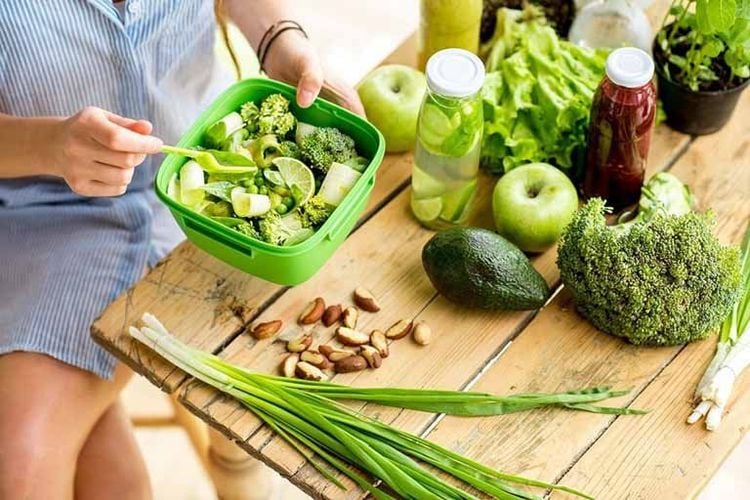
- Spinach: High in fiber, vitamins, and minerals, perfect for sabzis or soups.
- Carrots: A crunchy snack option and great in cooked dishes.
- Bottle Gourd (Lauki): Easy to digest and effective for improving bowel movements.
- Cauliflower: When prepared as a curry or roasted, it provides excellent fiber content.
Add a bowl of freshly cut salad/fruit or cooked vegetables with your meal. For example 100gms of carrot has 4.4gm of fibre, 100gms of okra has about 3.2 gms of fibre
4. Fruits
Fruits are a delicious and natural way to boost fiber intake.
- Papaya: A popular remedy for constipation in India.
- Guava: Eating it with the seeds increases fiber intake.
- Pomegranate: Packed with fiber, vitamins, and antioxidants.
- Bananas: Opt for ripe bananas to improve bowel
For example, guava has 5.2gm/100gms, apple has 2.2gm/100gm.
5. Nuts and Seeds
- Almonds and Walnuts: A handful of these can be a quick fiber-rich snack.
- Flaxseeds and Chia Seeds: Add them to smoothies or yogurt to increase fiber content.
- Sesame Seeds (Til): Commonly used in Indian cooking and packed with fiber.
- A combination of fruit and nuts can be a great snack, instead of chips or fried foods.
- 25 almonds (30gms) = 2.6gm fibre
High-Fiber Meals for Constipation Here are some meal ideas rich in fiber:
- Breakfast: Oats upma with vegetables or whole-wheat parathas stuffed with spinach.
- Lunch: Brown rice with dal and a green salad.
- Dinner: Jowar or bajra roti with a mixed vegetable curry.
- Snacks: Roasted chana or fruit chaat with guava and pomegranate.
Foods to Avoid-Certain foods can worsen constipation and should be limited:
- Processed foods like biscuits, chips, and instant noodles.
- Refined grains such as white rice and maida-based products.
- Sugary snacks and beverages.
Home Remedies for Constipation Relief
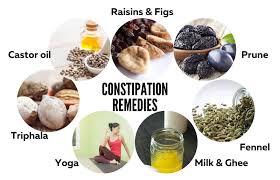
- Psyllium husk (Isabgol): Mix 2–3 teaspoons in a glass of water and drink it. Its high soluble fiber content absorbs water, softens stools, and encourages smoother bowel movements.
- Triphala powder: Blend 1 tablespoon in a glass of water and consume before bed. This ayurvedic blend supports digestion and helps cleanse the colon naturally the next morning.
- Soaked prunes, raisins, or dried apricots: Eat 4–5-soaked prunes or 2 tablespoons of black raisins/dried apricots with warm water two hours before bed. Their natural sorbitol content draws water into the intestines, making stools easier to pass.
- Ajwain (bishop’s weed) water: Soak ½ teaspoon in hot water, let it steep, and sip slowly. It can help stimulate digestion and ease bloating alongside constipation relief.
- Castor or extra virgin coconut oil: Take 1 tablespoon before bed to gently lubricate the digestive tract, supporting smooth elimination by morning.
- Ghee can help with constipation by acting as a natural lubricant and mild laxative, softening the digestive tract and promoting bowel movements. Consuming a tablespoon of ghee with warm water on an empty stomach, particularly in the morning, is a traditional Ayurvedic remedy.
- Practising yoga Helps.

By adding these gentle yet effective kitchen cures to your routine, you’ll not only learn how to cure constipation naturally but also support your gut health in the long term. Constipation may be common, but it should never be ignored. Understanding its root causes, adopting daily lifestyle changes, and turning to natural remedies for constipation can make a world of difference. Whether it’s increasing fiber, staying hydrated, moving more, or using age-old kitchen wisdom, the goal is the same — to restore balance in your digestive system and experience true constipation relief without dependency on quick fixes.
Listen to your body, respond to its early signs, and give your gut the care it deserves. With a mindful approach and consistent habits, you’ll not only know how to cure constipation but also enjoy better energy, lighter moods, and improved overall health.